Interview: Liverpool, regeneration & branding your own city
When regeneration happens on your own doorstep, how do you create an identity that carries both local weight and global ambition?

Liverpool’s waterfront is entering another moment of reinvention.
With new districts taking shape, identity plays an increasingly defining role in how the city presents itself.
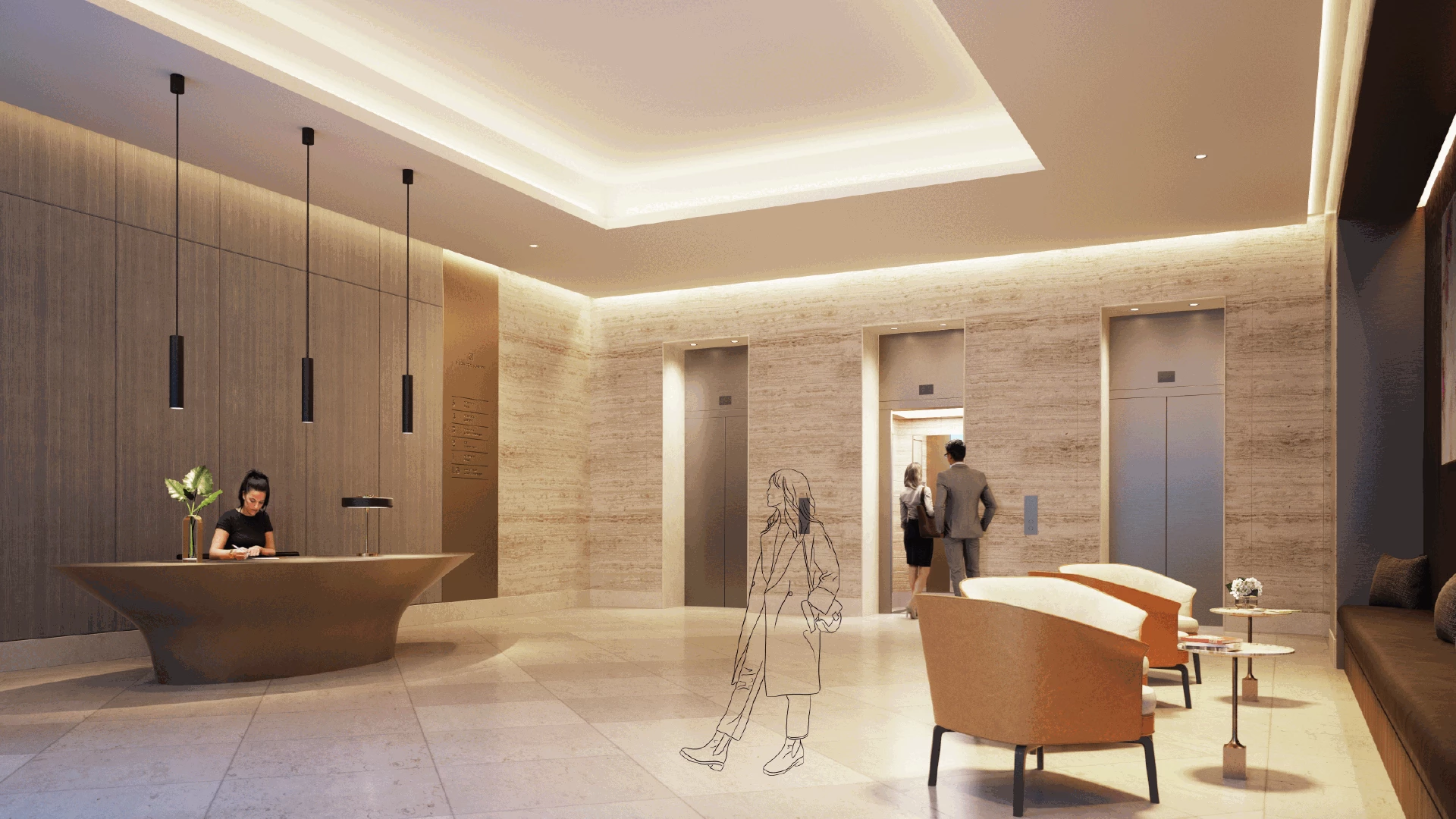
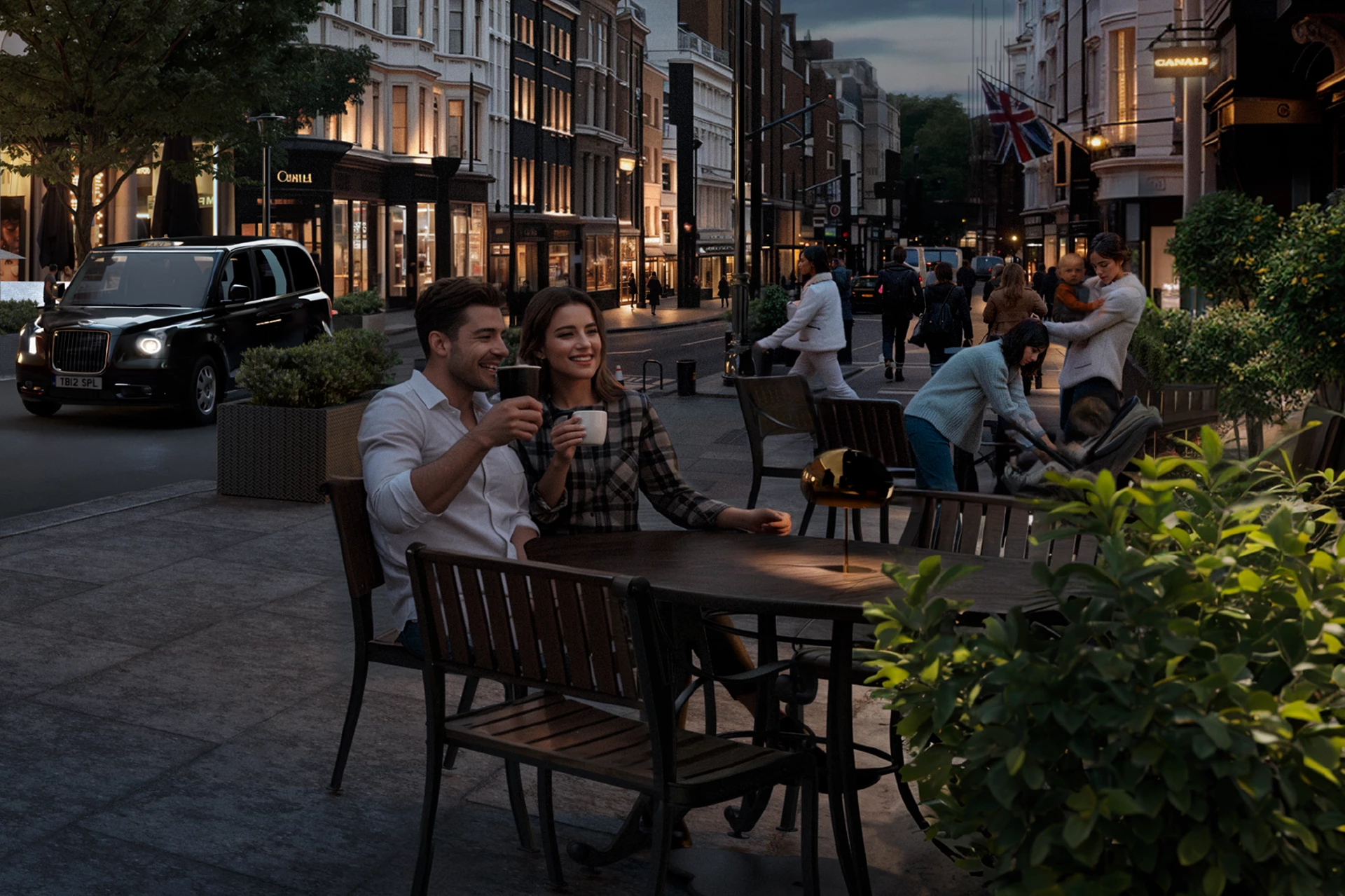
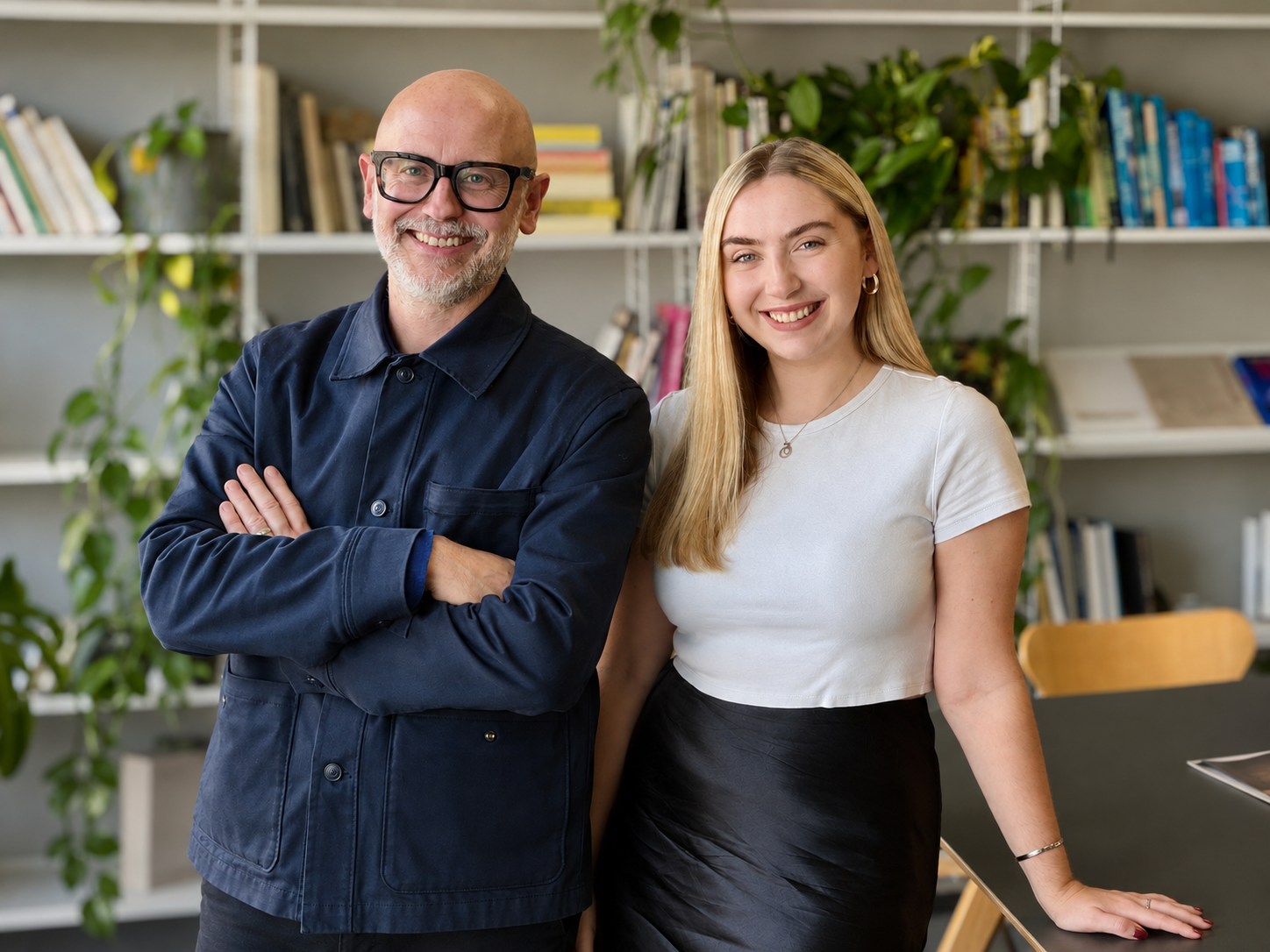
Kings, a waterfront scheme by Davos Property Developments Limited in conjunction with Beetham Davos Ltd, forms the backdrop to a conversation with Megan Griffiths and Scott McCubbin on brand identity and shaping work from within Liverpool.
Liverpool’s waterfront has always carried weight. Kings is the next chapter. What does it feel like to help shape something at that scale, in your own city?
Megan: It gives you an edge.
We’re based on Bold Street, right in heart of Liverpool. From the studio window you can watch the city move throughout the day. Three flights of stairs down and you’re right in the middle of it.
So when we get to work on projects in our home city, we understand tone instinctively. We’re not researching the culture – we live alongside it. We understand the pride, but also the scepticism.
Liverpool doesn’t respond well to pretentiousness. People see through things quickly. The work has to feel confident, grounded, rooted, creative.
There’s also a responsibility. When you’re shaping something at this scale – particularly on the waterfront – it becomes part of the collective memory of a city. It’s not just another development. It contributes to the legacy of a place you’re part of.
When it’s your own city, you feel that. You want to do it justice.

Kings’ brand identity was revealed earlier this year. Can you share a bit about the creative choices and how they tie into Liverpool?
Scott: Our creative team developped something really thoughtful and powerful with the identity.
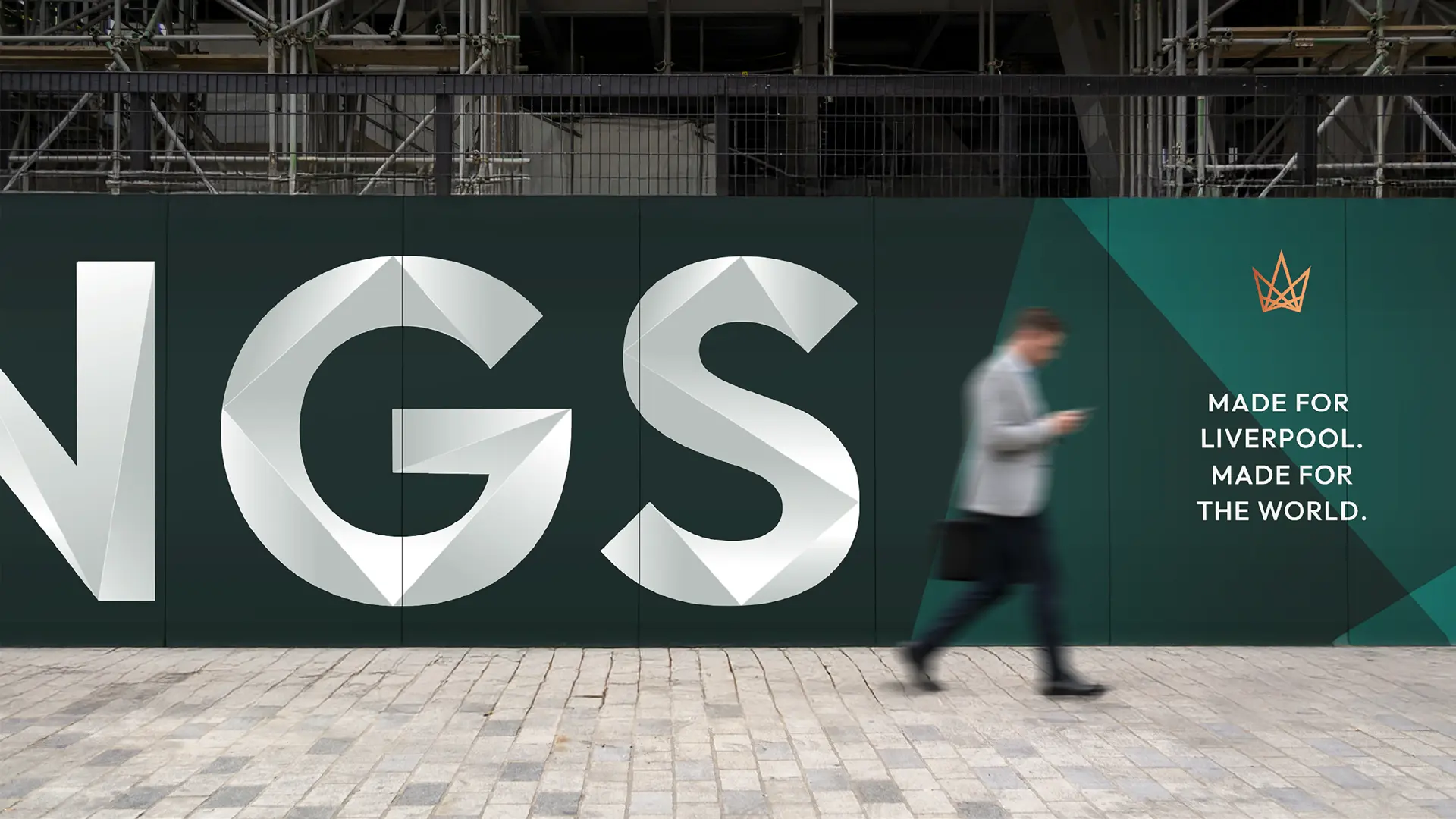
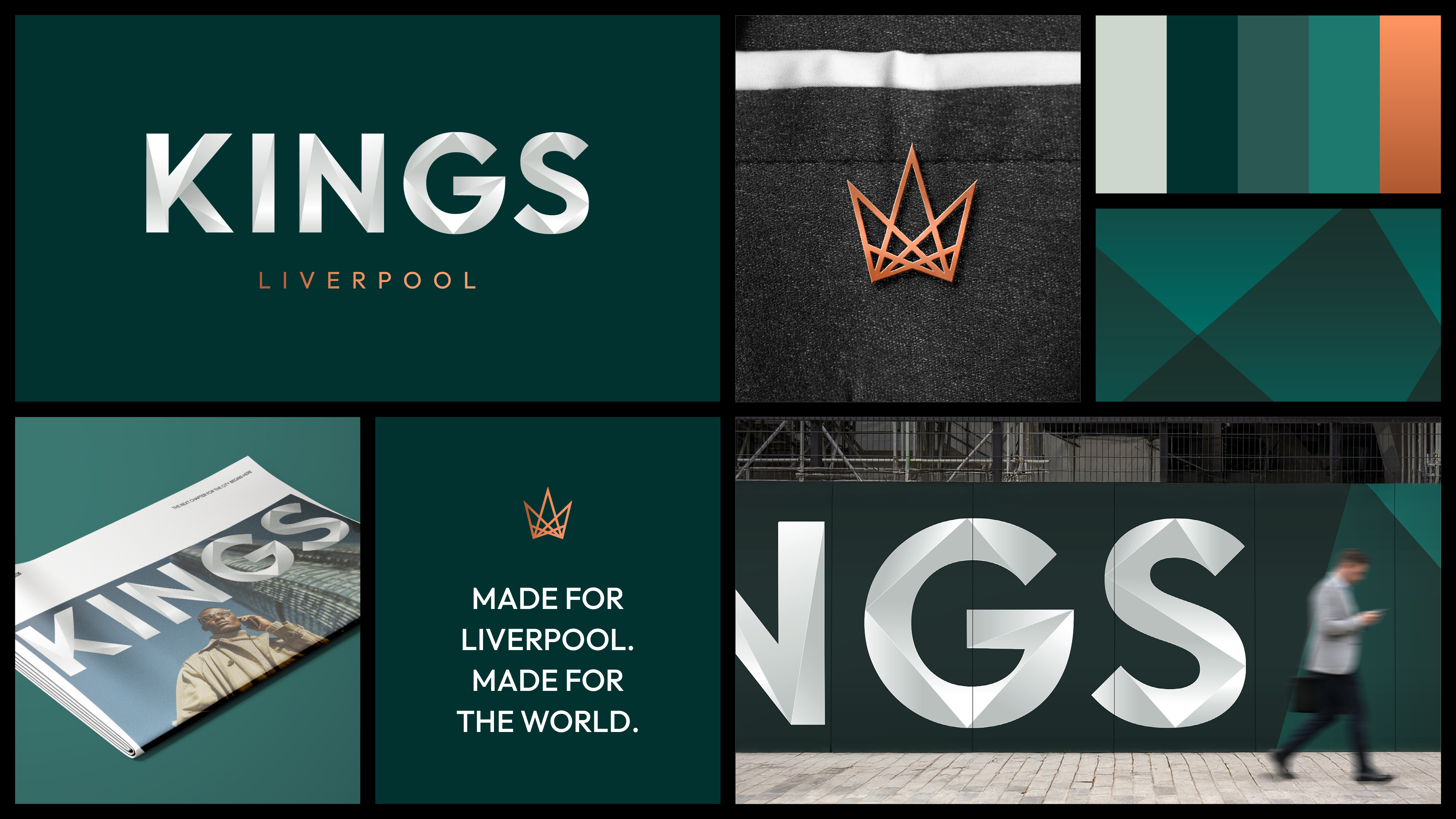
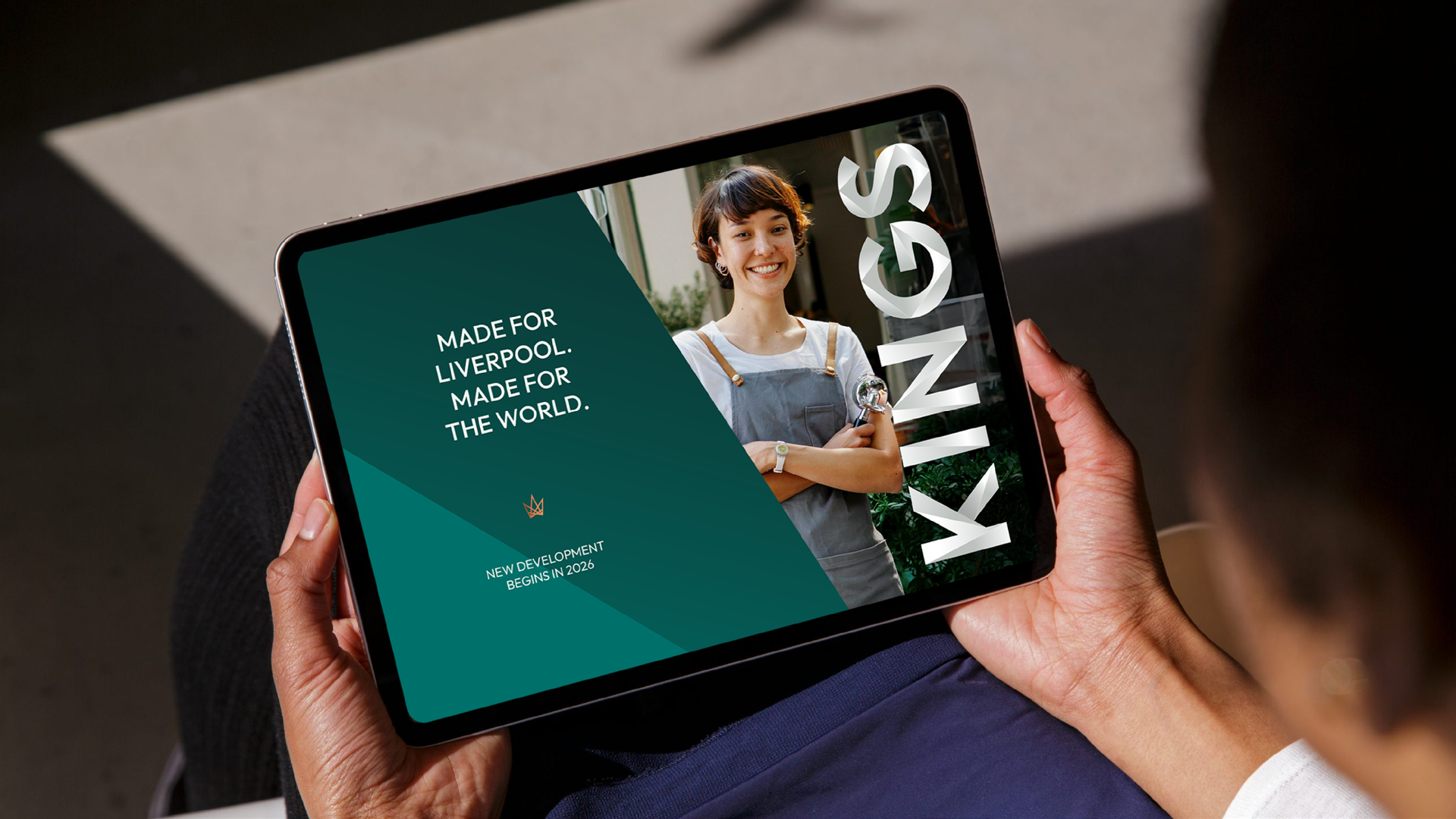
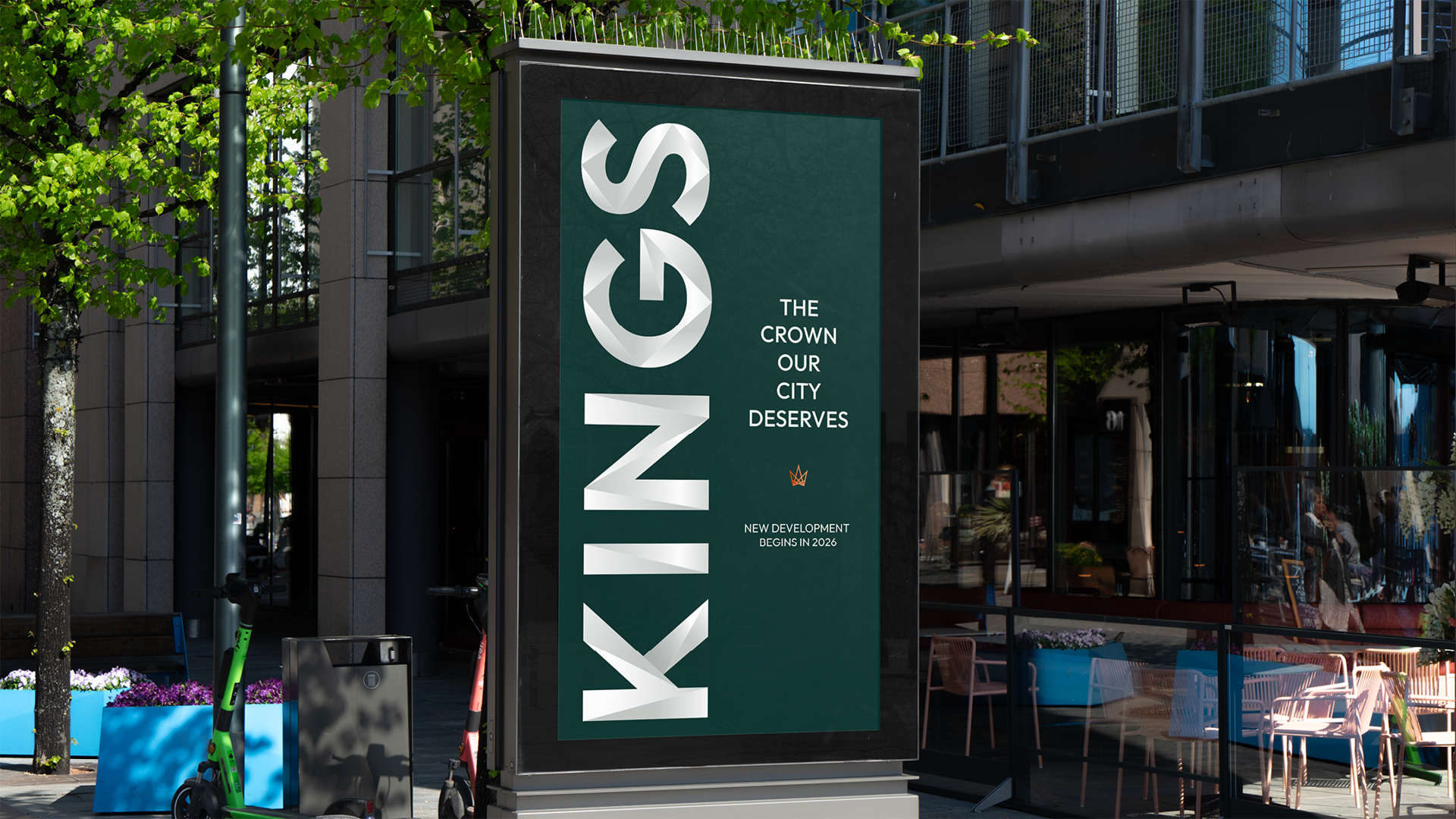
It’s in the smaller details. The wordmark picks up on the facets of a jewel – the jewel in Liverpool’s crown. The colour palette, that rich deep green, should feel familiar to locals on some level, as it’s pulled from the Liver Birds – the iconic 18ft copper mythical creatures that sit on top of the Royal Liver Building.
Megan: There’s folklore around them. One is said to look inland to protect the city’s people, the other out to sea for sailors – which feels like a fitting reference for a waterfront scheme.
It’s those kinds of details that matter.
Rather than caricaturing the city or leaning on stereotypes and slang, it’s about getting to the heart of the character and emphasising that in a way that feels authentic and sophisticated.
New, but grounded.
With that depth of local knowledge in mind, how do you create something that feels rooted here but still resonates globally?
Scott: It’s incorporated at the root of the project. That balance was built into it from the start.
Megan: From the brand platform – 'Made for Liverpool. Made for the World.' – through to the positioning around creating a place for the world to experience Liverpool’s spirit, the intent was clear.
Scott: A scheme of this scale is speaking to international audiences. Investors, partners, occupiers – many of whom aren’t local. The brand has to carry stature beyond the city.
Logistically, that means focusing on quality and endurance. Creating something that remains very Liverpool, but open enough to resonate with the wider world. Structured, considered, not trend-led.
When that balance is right, it holds up in both contexts.
There’s a lot of regeneration happening across the North. Do you think branding is becoming more important in that landscape?
Scott: It is. Cities are competing more directly now. Not just for residents, but for investment, talent and attention. A development used to be compared locally – now, it's measured against schemes right across the UK and beyond.
In that context, clarity matters. A strong identity helps define what a project stands for and how it positions itself within the wider city.
It's crucial. Brand is the way to give a scheme structure before it’s physically realised.
When people understand what a development represents, they’re more likely to back it.
What interests you the most about where the city is heading?
Scott: There’s a sense now that projects need to stand up architecturally, commercially and culturally.
Megan: It’s no longer enough to just deliver space. Developments are expected to contribute something meaningful to the city.
What’s exciting is when that ambition feels considered rather than performative. When developers are thinking long-term. When they’re shaping places, not just assets.
Scott: The North has its own energy. It feels distinct from other parts of the UK. When projects lean into that character instead of replicating something generic, it shifts perception.
Brand and identity will play a defining role in that shift.
Finally, what does success look like for you both on projects like this?
Megan: Longevity. If in ten or twenty years a place still feels coherent, if the name still makes sense and the identity still feels right, then you’ve done something well.
At this scale, the launch is only the beginning. What matters is whether the thinking holds up over time.
Scott: The best developments become part of everyday life. People experience them without overthinking them. They just feel like they belong.
If the identity helps a building settle into the city and become part of its story, that’s success.
To get in touch with Scott, email scott.mccubbin@wearesomewhere.net.