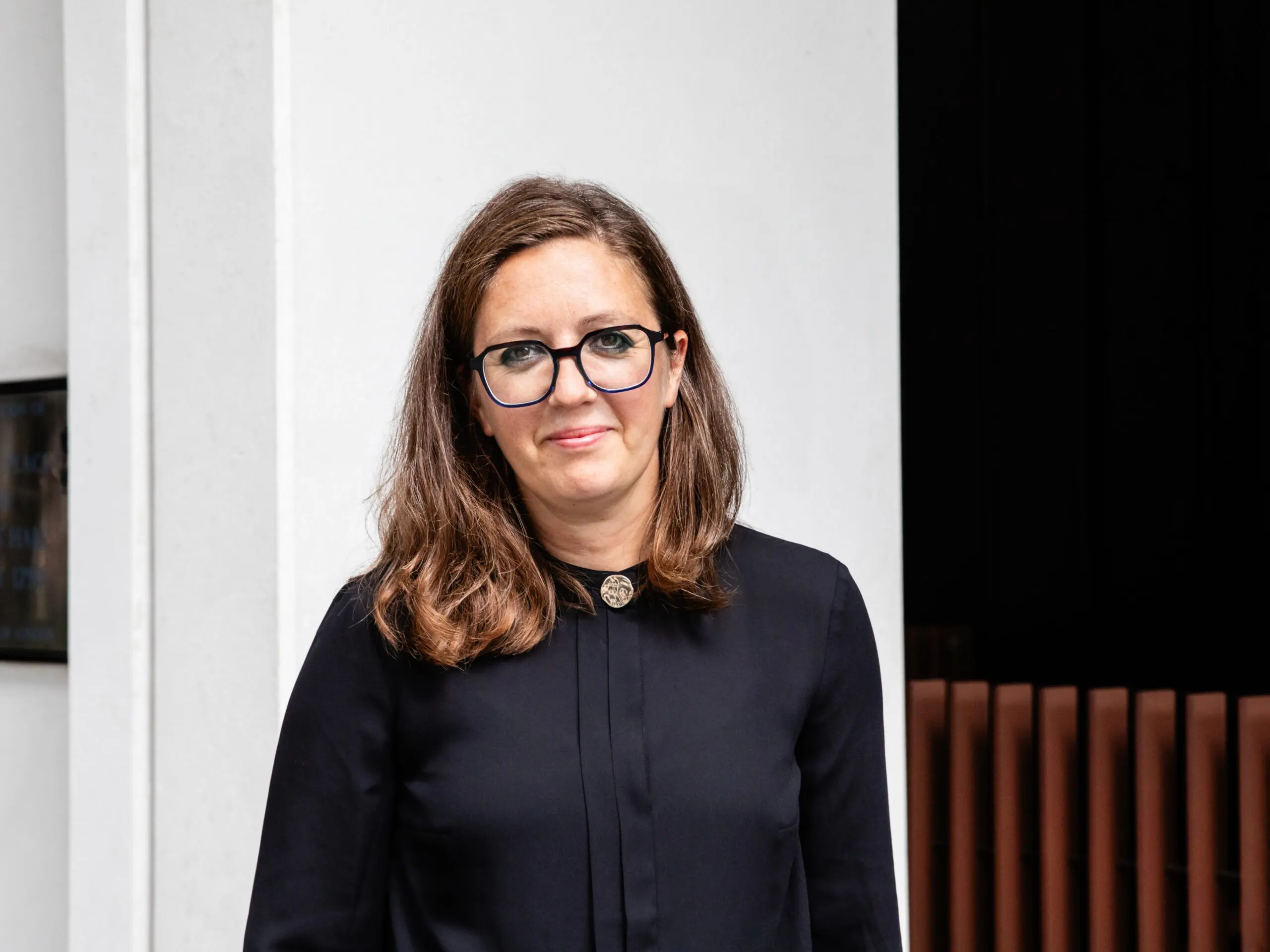
Future Confident: Samantha McClary
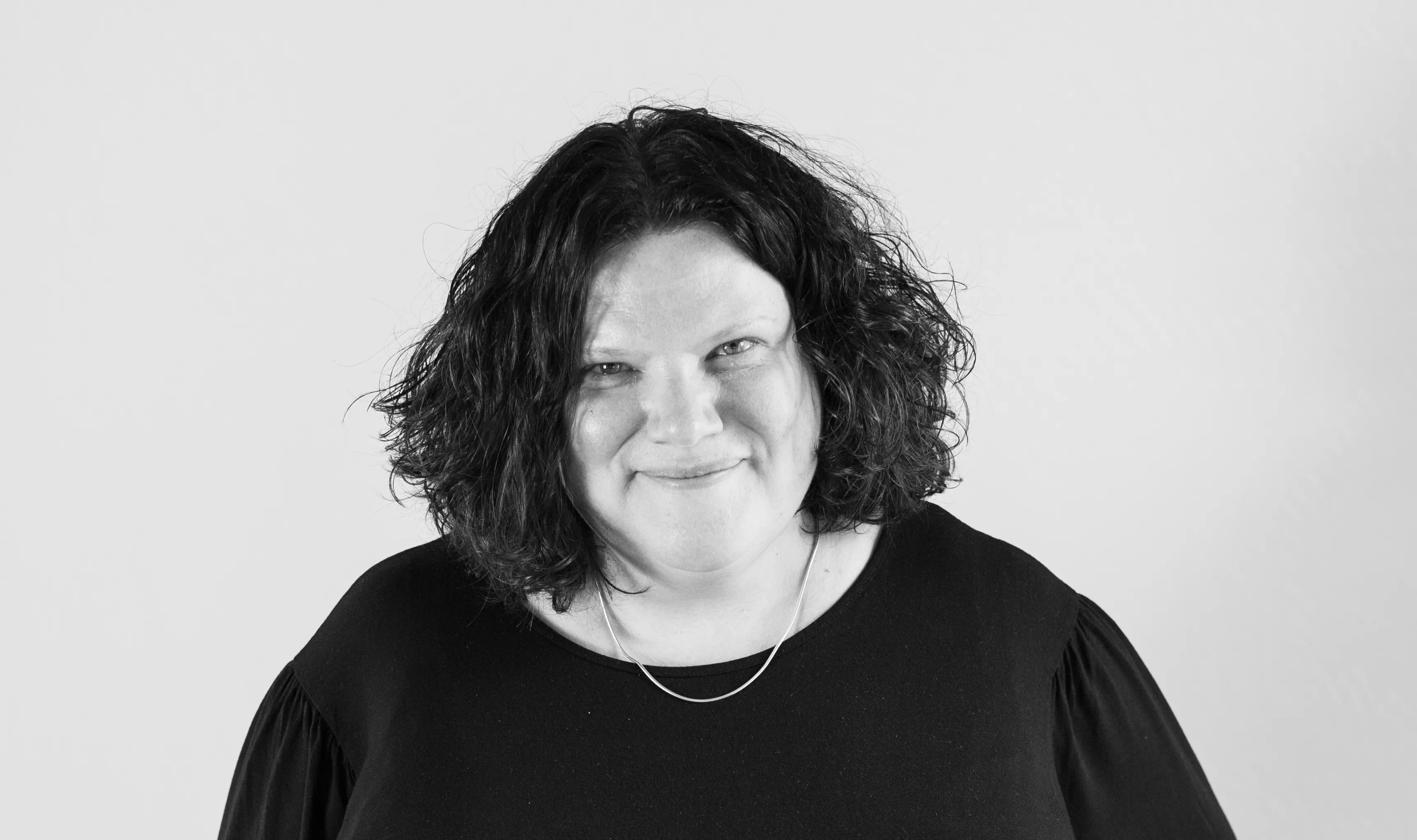
BCO CEO, Samantha McClary shares her perspective on why offices still matter, and how their role in cities and working life is evolving

Future Confident is an interview series exploring the people shaping change across the built environment. Through focused conversations at the intersection of strategy, creativity, and technology, it examines the ideas and challenges influencing what comes next.
In this episode, our Associate Director Scott McCubbin sits down with Samantha McClary, Chief Executive of the British Council for Offices (BCO), to discuss the evolving role of the office, what makes a meaningful workplace today, and why this moment represents not decline, but redefinition.
The future of how we work: The COVID reset – and making offices matter again
At a time when the office is often framed as outdated or under threat, Samantha McClary sees something else entirely: a moment of reset.
“This isn’t a period of decline – it’s a period of redefinition,” she says. “The question isn’t whether offices still matter. It’s what we expect them to do now.”
As Chief Executive of the British Council for Offices (BCO), McClary brings a perspective shaped by both proximity and distance. After more than 20 years as a real estate journalist, she now finds herself helping to steer the sector she once observed from the outside.
“I fell a bit in love with real estate,” she admits. “And I was also a little bit irritated by it at the same time.”
Offices as part of the city
One of McClary’s strongest arguments is that offices cannot be viewed in isolation. They are not standalone assets, but part of a wider civic ecosystem.
“If offices are drivers of economic growth – and they are – they need to be part of a plan for a city or town,” she says. “They bring people to a place. And when you bring people in, the rest of the city grows around that.”
Retail, leisure, hospitality and culture all rely on daily footfall. In that context, offices play a quieter but critical role in keeping city centres alive – particularly outside London, where confidence and investment can hinge on a single project.
“Unless we’re acting in partnership, we won’t be able to deliver,” McClary adds. “The world has changed too much for anyone to go it alone.”
A slow industry in a fast-changing world
Real estate’s biggest challenge, she argues, is time.
“The journey from idea to operational building is incredibly long,” she says. “By the time something opens, the world has often moved on.”
Buildings that still feel new may be decades removed from their first sketches. That lag makes it difficult to respond quickly to cultural shifts – whether that’s changing work patterns, sustainability expectations, or the way people want to experience space.
The answer, McClary suggests, may not always lie in building more, but in rethinking what already exists.
“We have to do more with the buildings we already have,” she says.
What makes a good workspace now?
Ask what defines a good office today, and McClary resists simple answers.
“There’s probably no such thing as the perfect workspace,” she says. “People are more individual now. Expectations are higher.”
Still, certain fundamentals remain non-negotiable: natural light, clean air, reliable technology, and spaces that support both collaboration and focus. Beyond that, nuance matters.
“You can give guidance on what good looks like,” she explains, “but you have to stay focused on the human to actually get it right.”
The limits of amenity
Few ideas have been as over-promoted – or misunderstood – as office amenities. Slides, gyms, yoga studios and beer taps were once positioned as the solution to bringing people back. McClary is unconvinced.
“We’ve probably talked about that kind of amenity more than it actually exists,” she says. “It makes a great headline, but behaviour doesn’t always follow design intent.”
People don’t necessarily want to exercise next to colleagues. Others value a clear boundary between work and personal life. And trying to pack everything into one building can backfire.
“If you put everything someone could ever need into a workspace, you’re telling them they don’t need to leave,” McClary says. “That’s not healthy either.”
What matters more than features, she argues, is culture and choice.
“A happy office doesn’t come from a bar or a yoga studio,” she says. “It comes from how people work together.”
Choice, not prescription
The debate around working patterns often assumes that traditional hours are outdated. McClary pushes back.
“For some people, work is work – and that’s fine,” she says. “They want to do a good job, be productive, and then leave. Others want more social connection. Neither is wrong.”
The role of the office, then, is not to prescribe behaviour but to support different ways of working – without trying to become everything at once.
“There is a loneliness crisis, and workplaces do have a role to play,” she says. “But it’s not the office’s job to be a pub, a sports centre, or a health club.”
A moment worth paying attention to
Despite the uncertainty, McClary is optimistic.
“COVID forced us to rethink things we were already moving towards – trust, flexibility, and how work should add to people’s lives rather than take away,” she says.
What’s emerging now is not a return to the past, but something more considered.
“There’s a greater desire to be in good workplaces, with good people, doing good things,” she reflects. “Nothing is going back to how it was – but that doesn’t mean it’s worse. It just means it’s different.”
For McClary, that difference is where the opportunity lies – not just to redefine the office, but to make it matter again.
If you'd like to join our Future Confident conversation series, please get in touch with our Marketing Manager Alice Irving via alice.irving@wearesomewhere.net